
In the Name of Purity is an ongoing body of work investigating the systems of belief that shape our relationship with the body. Through textiles, performance, photography, embroidery, and material traces, the series examines how ideas of purity construct visibility, shame, intimacy, and belonging.
Drawing from the understanding that pollution emerges when something is perceived as disrupting an established order, the works approach menstruation as a site where boundaries between clean and unclean, sacred and profane, natural and forbidden are continuously produced and negotiated. Rather than treating these boundaries as fixed, the series asks who defines them, whose bodies they regulate, and what forms of visibility they prohibit.
Rooted in Rose’s lived experience while extending beyond autobiography, In the Name of Purity explores how inherited systems of belief shape our relationship with the body. Menstrual blood appears not as a symbol of contamination, but as a material trace of life, memory, and presence. By placing it within textiles, domestic objects, and performative actions, the works seek to reframe what has long been associated with concealment and shame.
Rather than offering fixed conclusions, the series proposes visibility as a gesture of care. It invites viewers to reconsider the values enacted in the name of purity and to imagine alternative ways of relating to bodies—not through fear or exclusion, but through recognition, dignity, and openness.
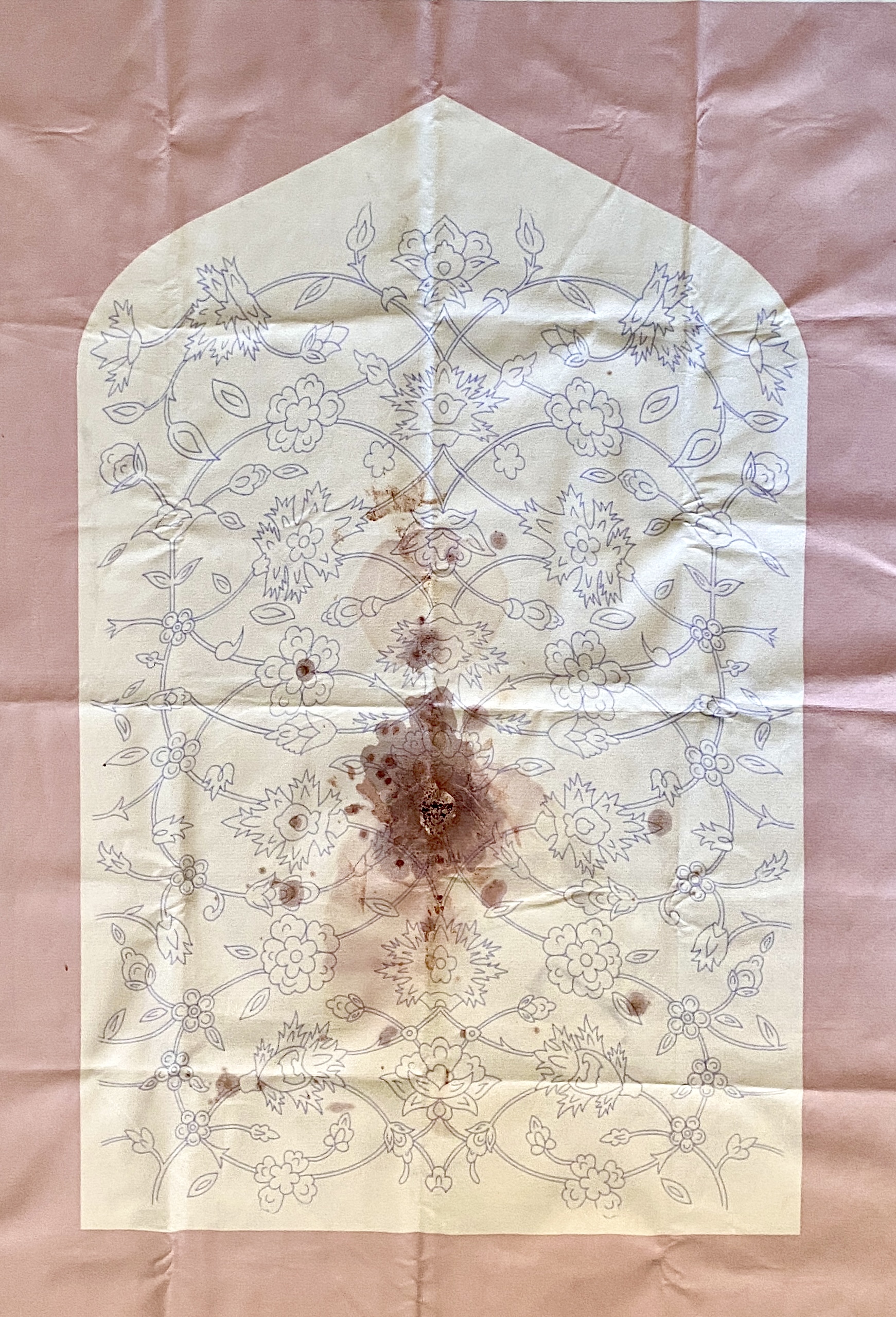
The Sacred Stain
Digital textile artwork, performance-based intervention
2026
Material: Heavy velvet fabric, digital textile print, menstrual blood
Dimensions: 100 × 150 cm
Duration: 1.5 hours
Performed on the first day of menstruation
Artwork Introduction
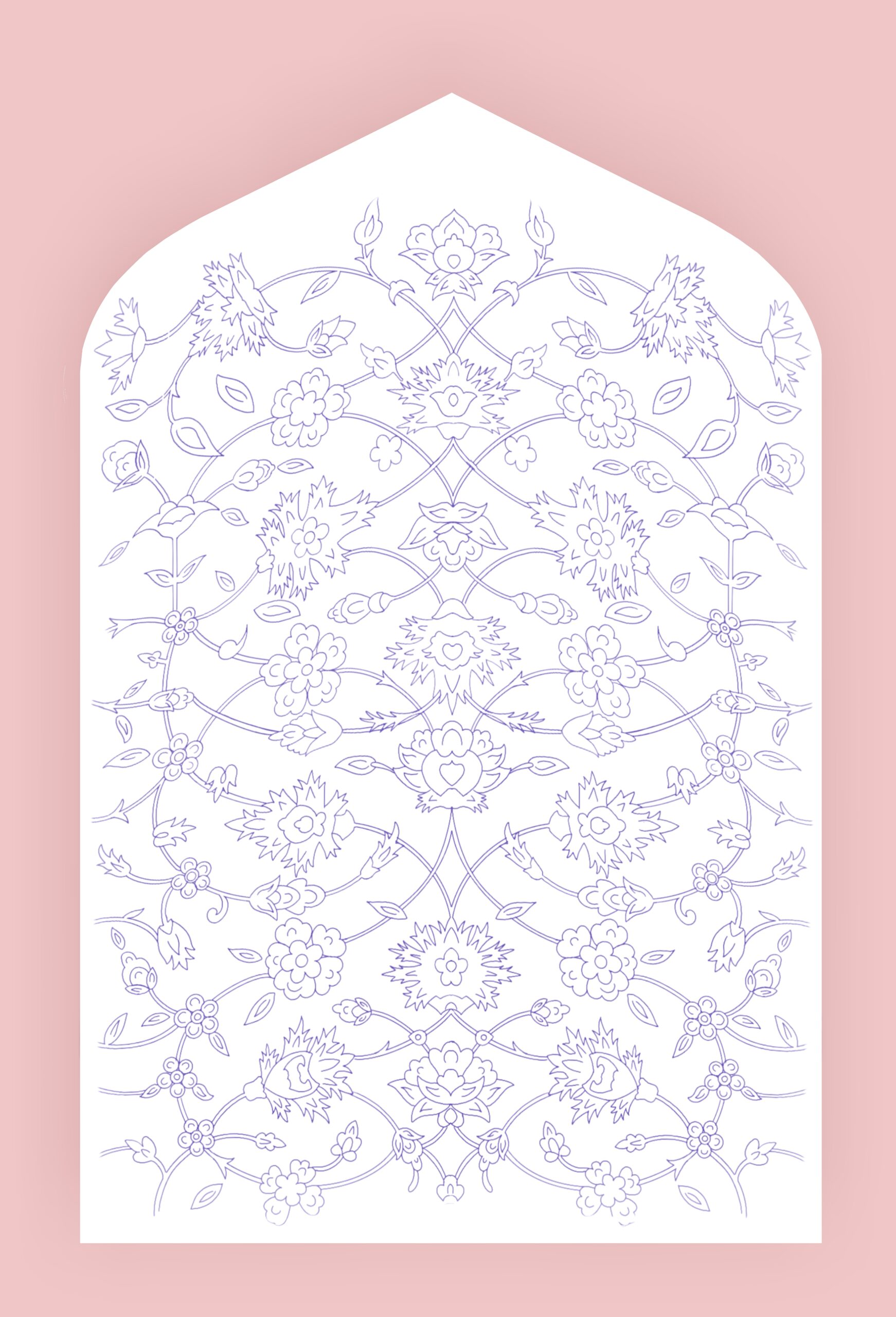
Created through a digitally designed textile composition inspired by Persian rug motifs, The Sacred Stain reinterprets the symbolic language of the prayer rug as a space of encounter between the sacred and the bodily.
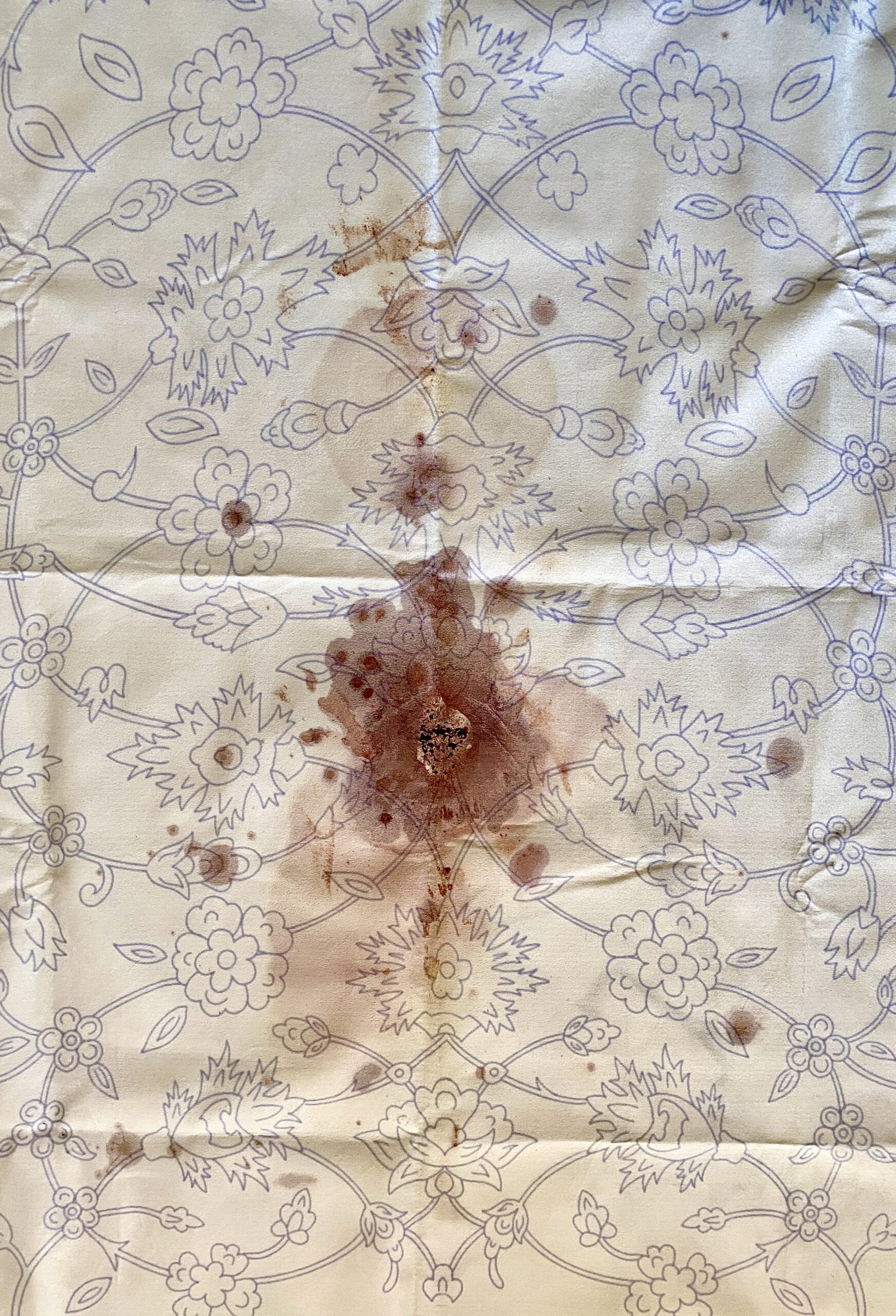
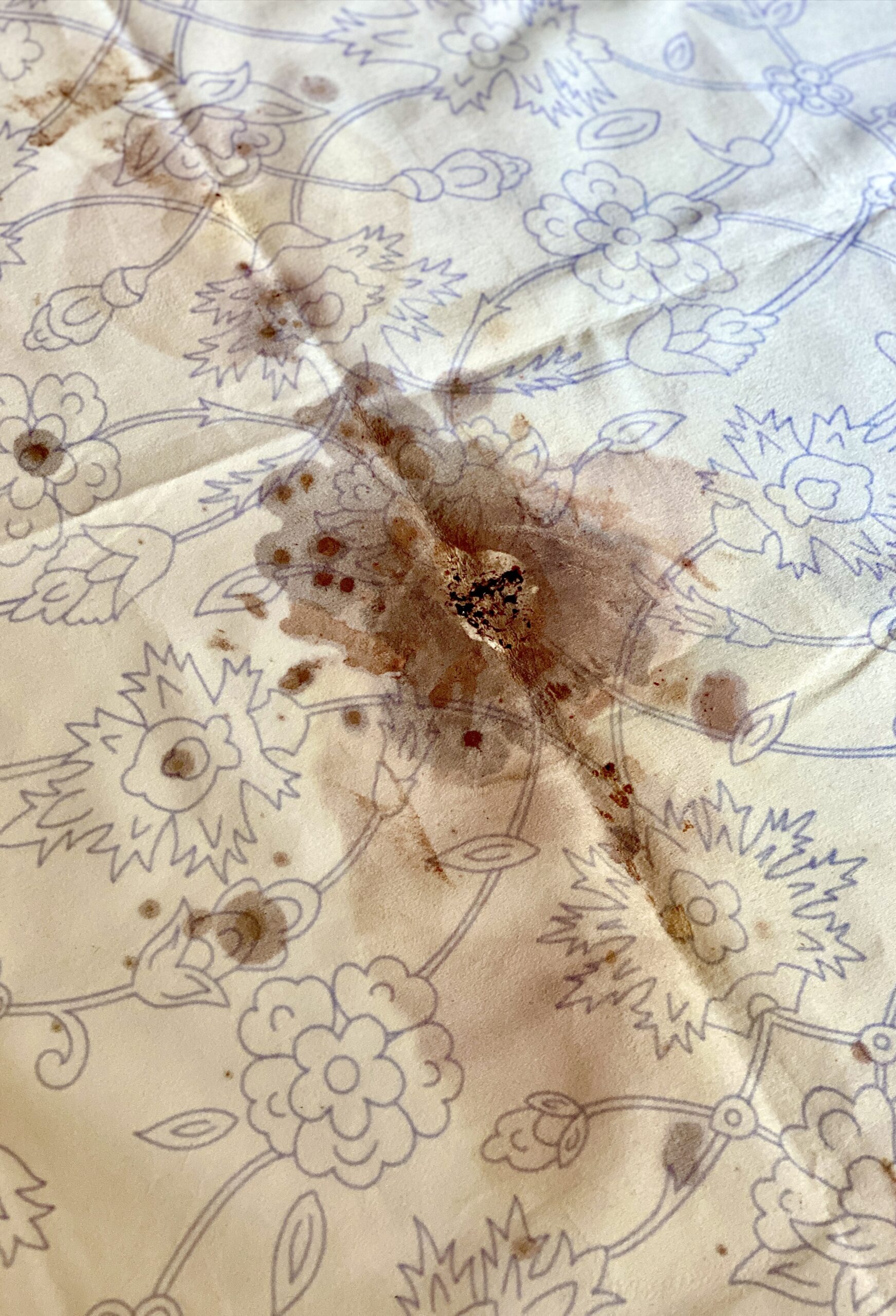
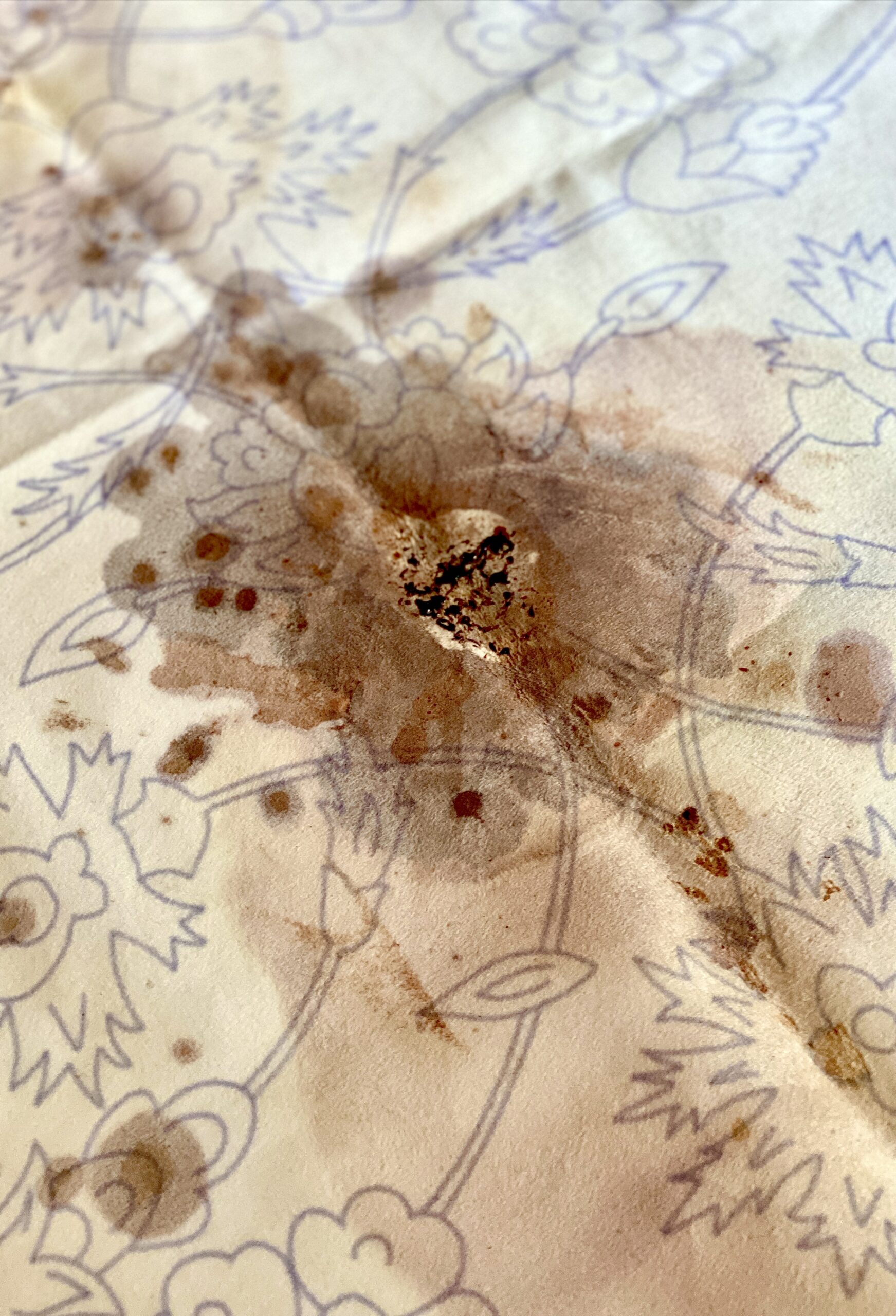
Through a one-and-a-half-hour free-bleeding action, menstrual blood enters the textile surface as both a physical trace and a gesture of interruption, bringing visibility to an experience often associated with concealment and impurity.
Material & Process
The artwork is created on heavy velvet fabric, selected for its resemblance to the tactile qualities of prayer rugs and its associations with softness, comfort, and reverence. The textile composition draws from motifs inspired by Shah Nematollah Vali Shrine, connecting personal memory with inherited visual traditions.
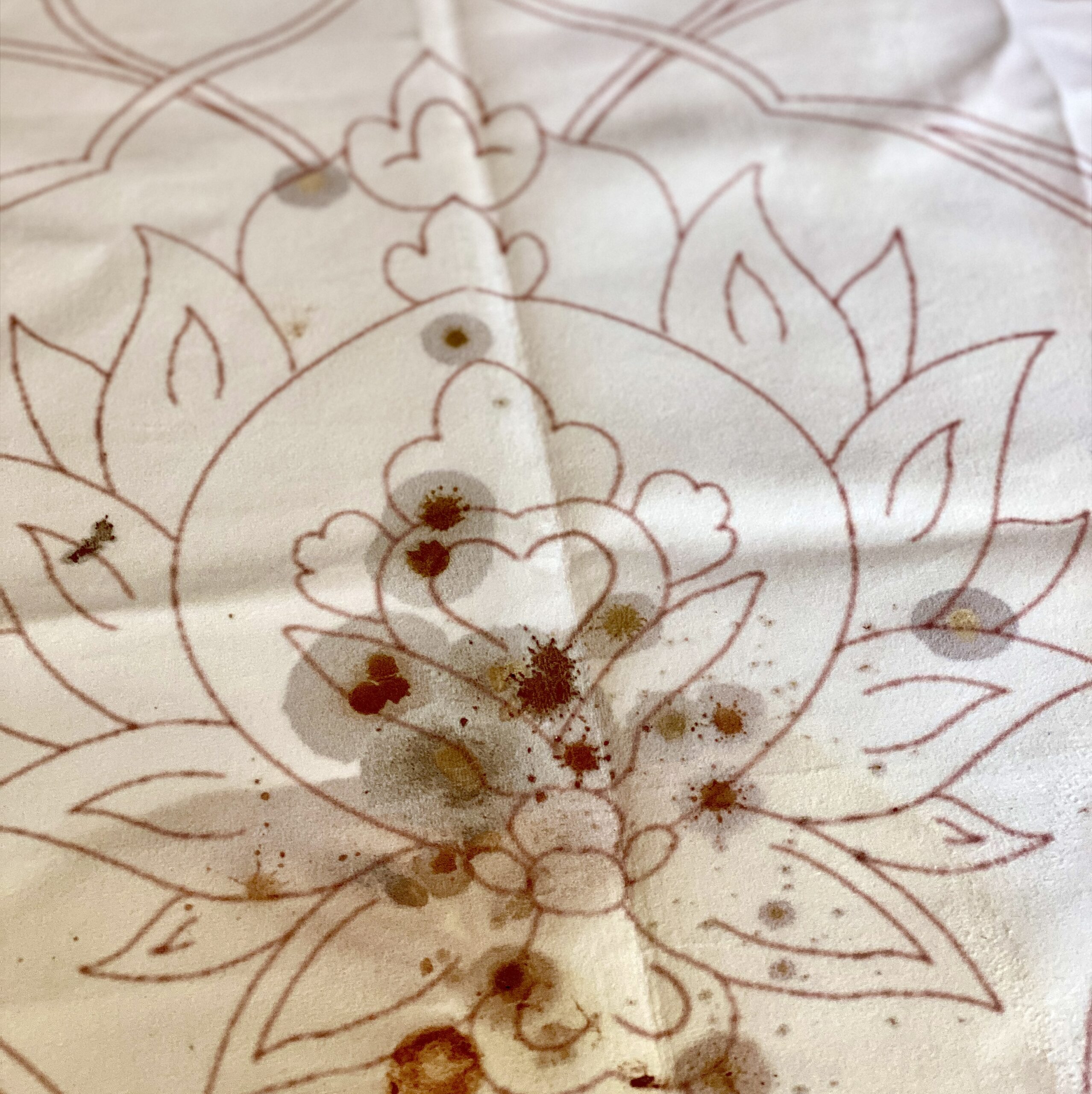
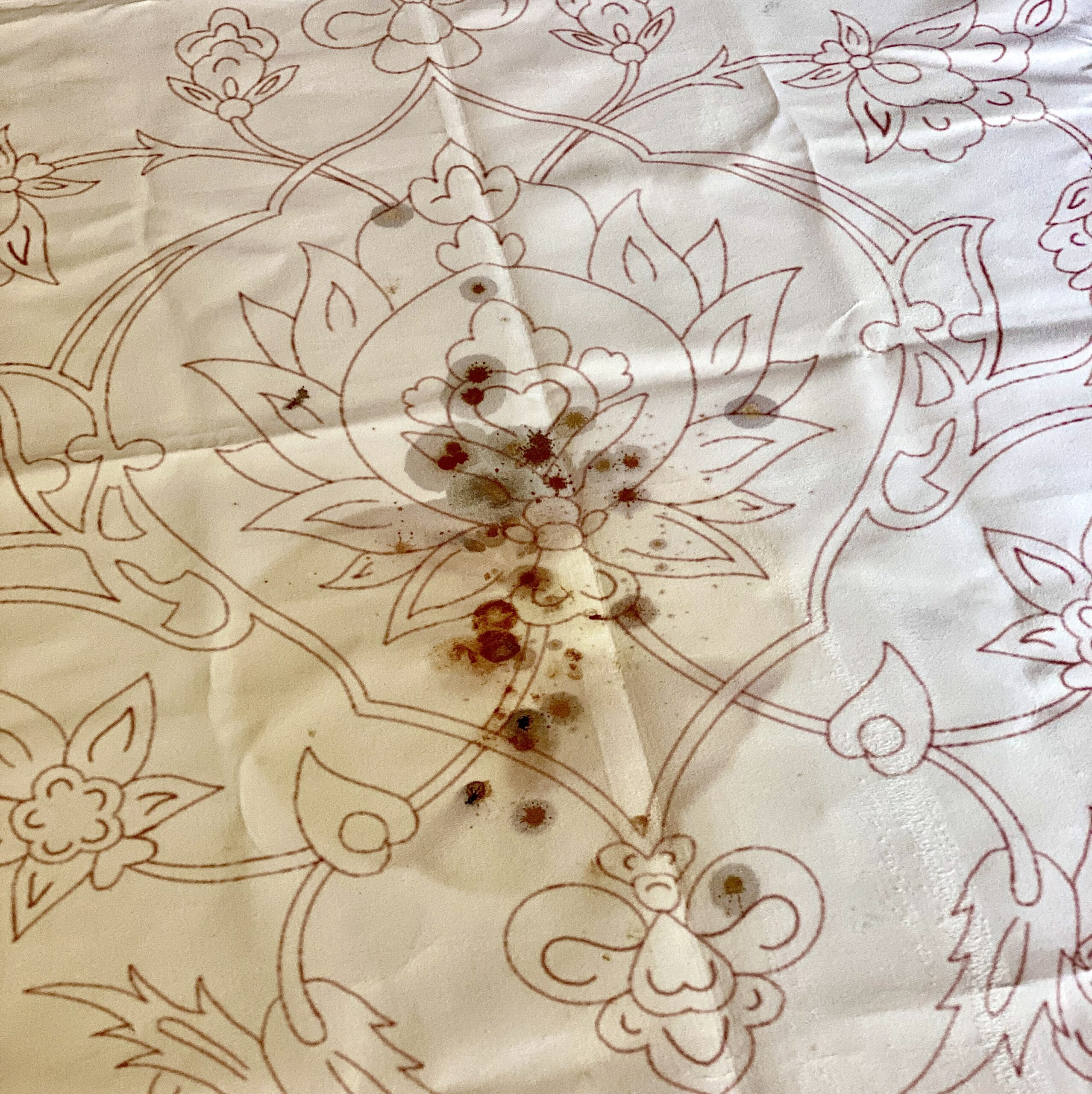
During the intervention, menstrual blood becomes a changing material element on the velvet surface. Beginning as a vivid red mark, it gradually shifts into darker and brown tones as it dries, recording the passage of time and the transformation of the body’s trace.
Conceptual Context
The Sacred Stain reflects on how systems of purity create boundaries around bodies, spaces, and belonging. Within many cultural and religious contexts, menstruation has been positioned as something requiring separation from sacred environments, revealing how ideas of pollution are often connected to what is perceived as disruptive or out of place.
By introducing menstrual blood into a textile associated with ritual and cultural memory, the work questions inherited boundaries between the pure and impure, the sacred and the bodily.
For Those Before Me
Digital textile artwork, performance-based intervention
2026
Material: Heavy velvet fabric, digital textile print, menstrual blood
Dimensions: 150 × 150 cm
Duration: 1 hours
Performed on the third day of menstruation
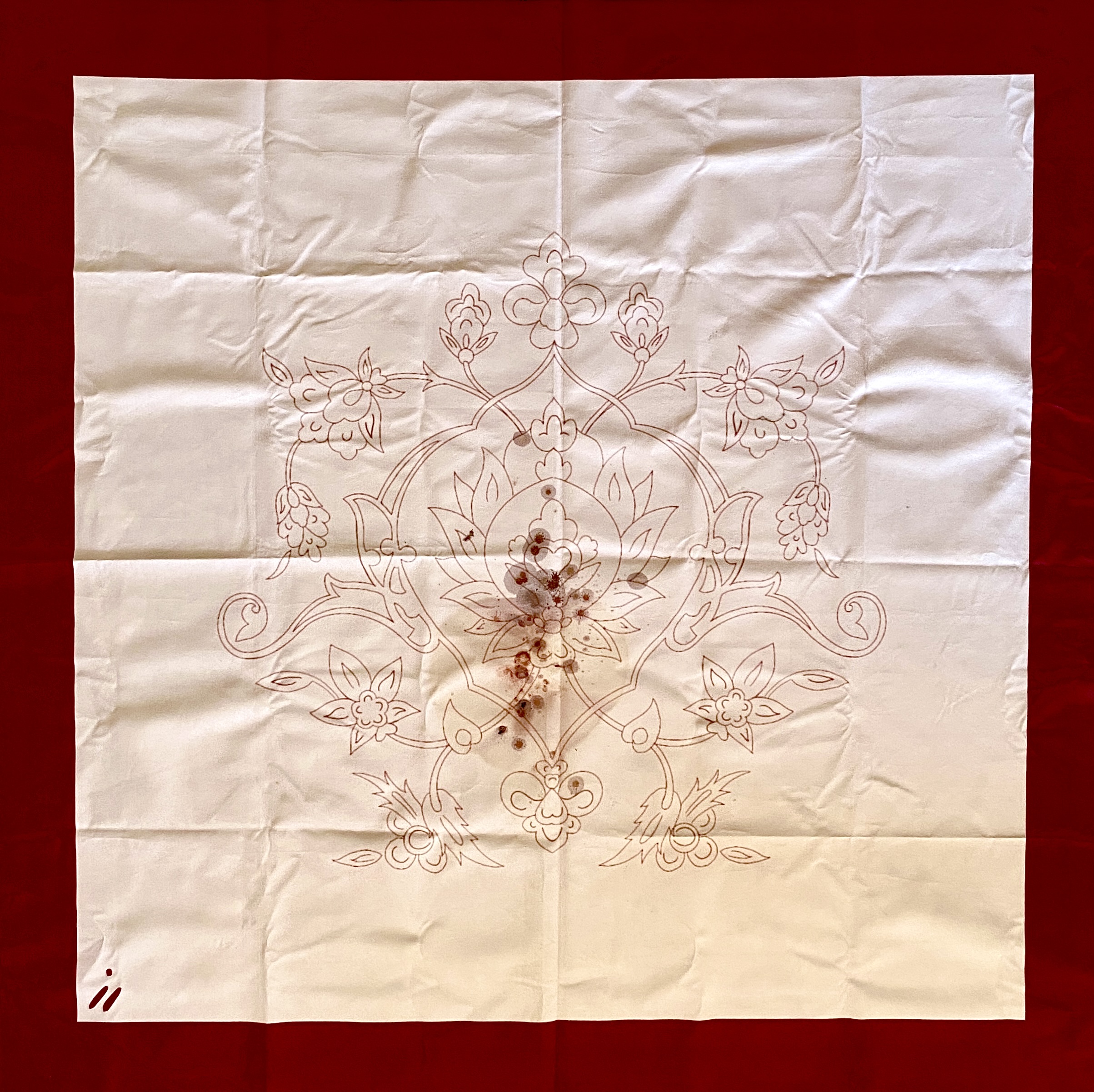
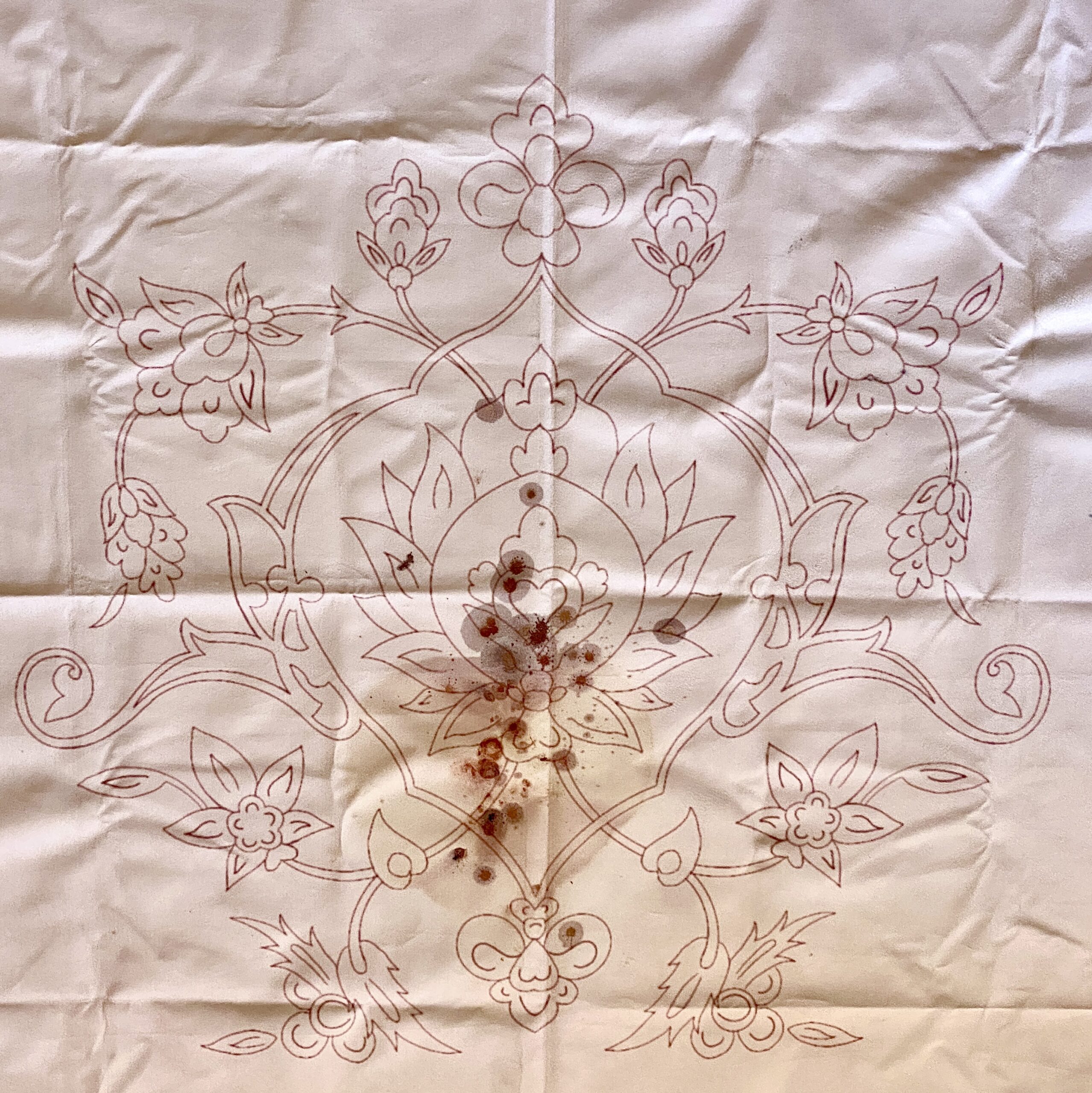
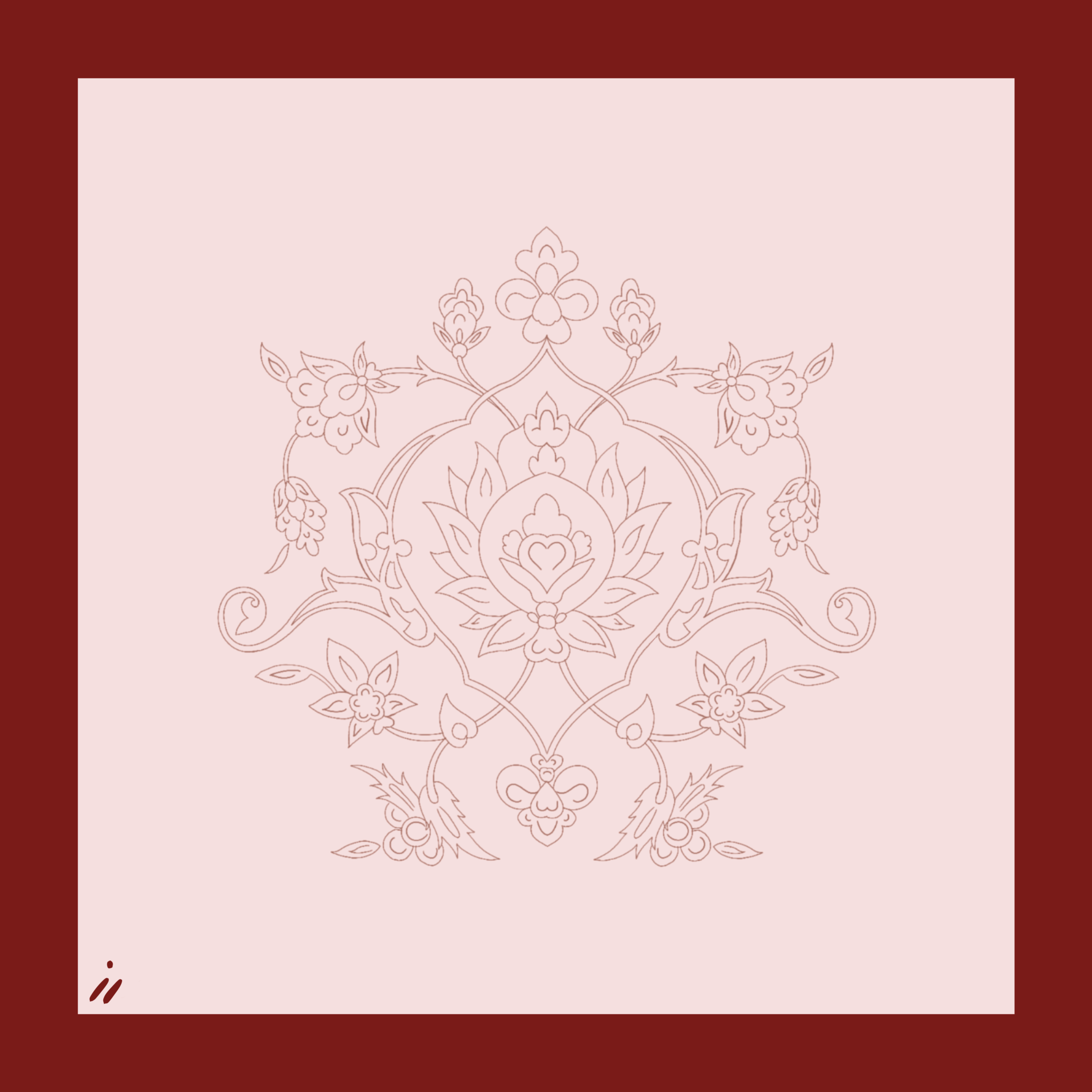
For Those Before Me is a textile work shaped as an offering of remembrance toward generations of menstruating bodies who have endured histories of concealment, isolation, and the absence of comfort and care.
Inspired by the form and visual language of Persian rugs, the work transforms the textile into a symbolic ground — a gesture of warmth, dignity, and recognition for those whose bodily experiences were hidden or separated in the name of purity.
Material & Process
Constructed from heavy velvet fabric, For Those Before Me draws from the material qualities of Persian rugs, objects historically associated with domestic space, comfort, protection, and cultural memory. The softness and weight of the textile create a sense of warmth and shelter, transforming the rug from a decorative object into a symbolic ground of care.
The composition incorporates motifs inspired by Persian textile traditions, carrying references to inherited patterns and collective histories. Through the reinterpretation of this visual language, the work connects personal memory with broader experiences of generations whose bodily realities have often remained concealed.
By reshaping the textile into a place of recognition and remembrance, For Those Before Me transforms the rug into an offering — an imagined gesture of comfort for those who were denied visibility, dignity, and belonging within systems shaped by ideas of purity.
Conceptual Context
For Those Before Me is conceived as an act of remembrance toward generations of menstruating bodies whose experiences have remained largely unseen throughout history.
Across different cultural contexts, menstruation has often been shaped by systems of purity, pollution, and social boundaries that positioned menstruating bodies as separate, hidden, or outside established forms of belonging. These conditions created a distance between embodied experiences, where certain forms of knowledge and lived realities were overlooked or excluded.
Drawing from feminist understandings of otherness and embodied difference, the work reflects on how bodies can become defined through systems that mark them as different or disruptive. Yet, rather than focusing only on exclusion, For Those Before Me offers a gesture of recognition — honoring the resilience, memories, and unseen histories carried by those who lived before me.