Fashion, Art, and the Politics of Menstrual Visibility
A research-led artistic investigation into the relationship between body, identity, gender, and social taboo. Through menstrual art, visual documentation, and material experimentation, the project explores how hidden bodily experiences can become sites of cultural critique and collective memory. Rooted in fashion studies and feminist thought, the work challenges conventional ideas of visibility, shame, and embodiment.
Silence protects stigma; visibility challenges it.
Between Bliss and Blood
Pleasure, Duration, and the Visibility of the Menstruating Body
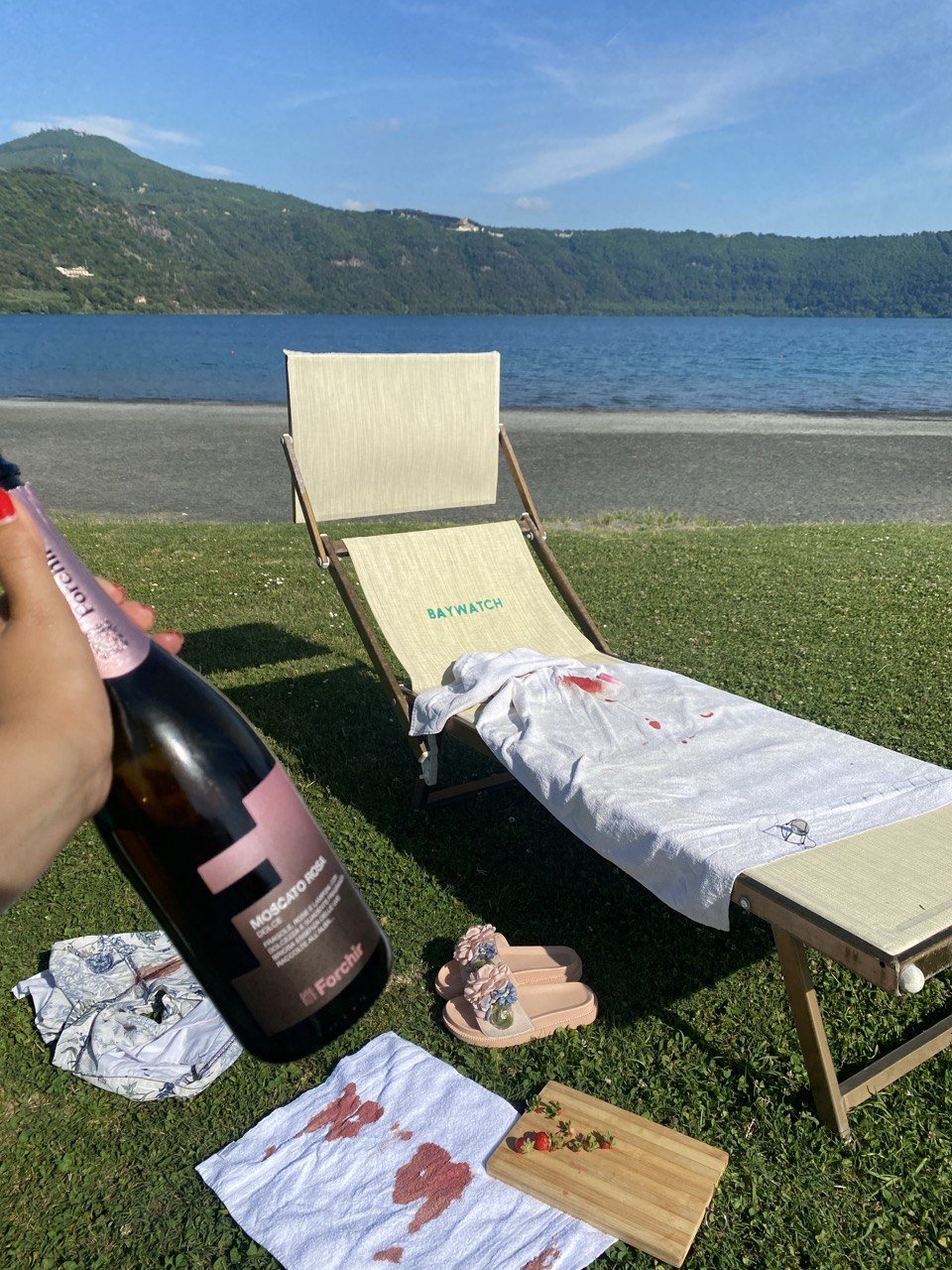
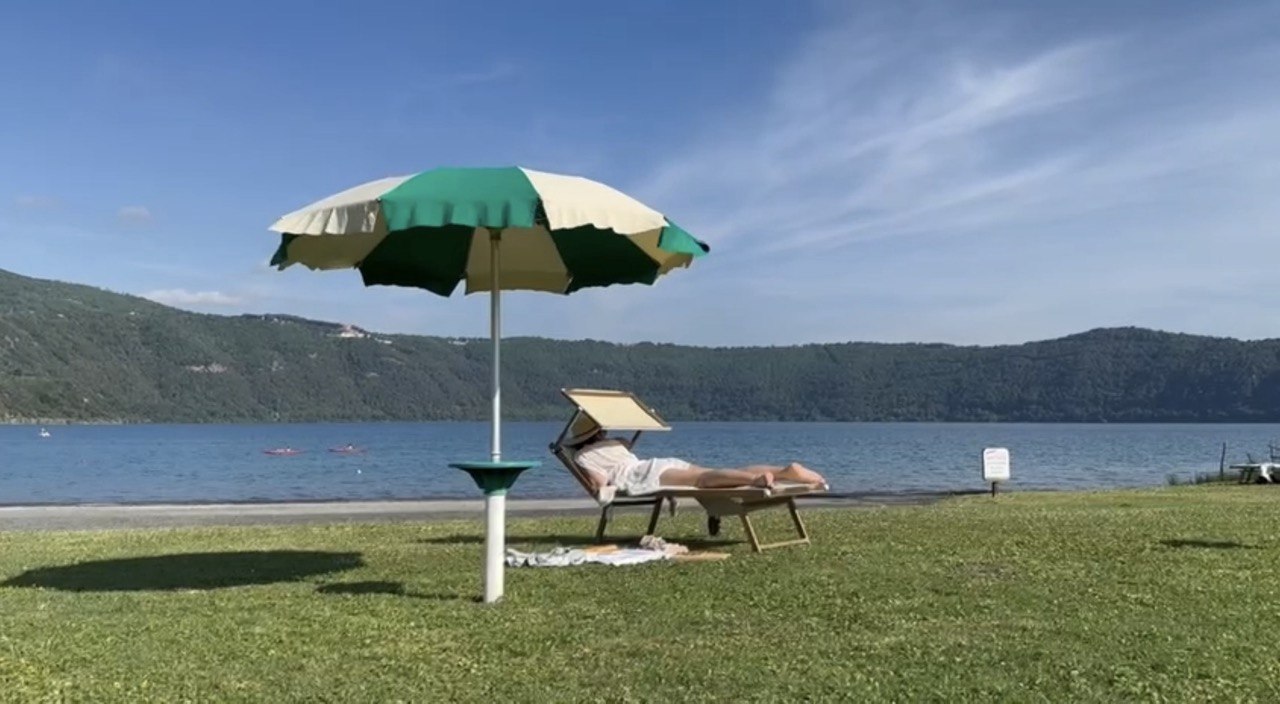
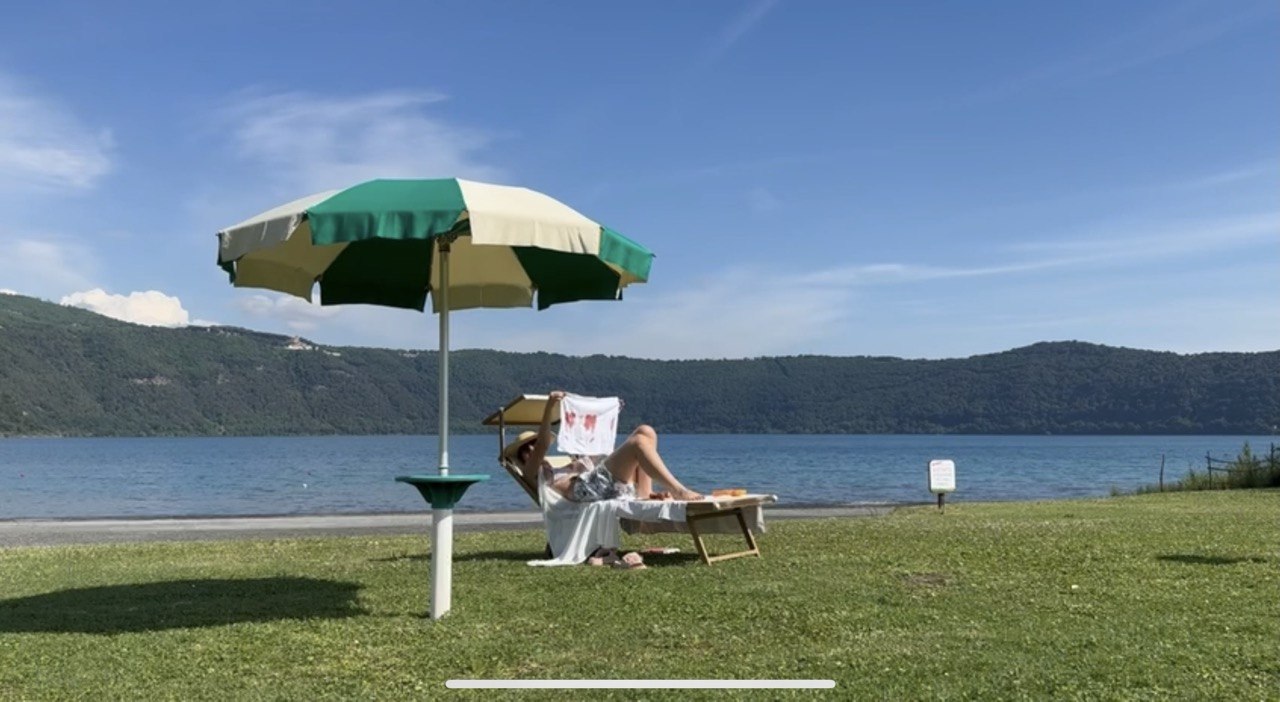
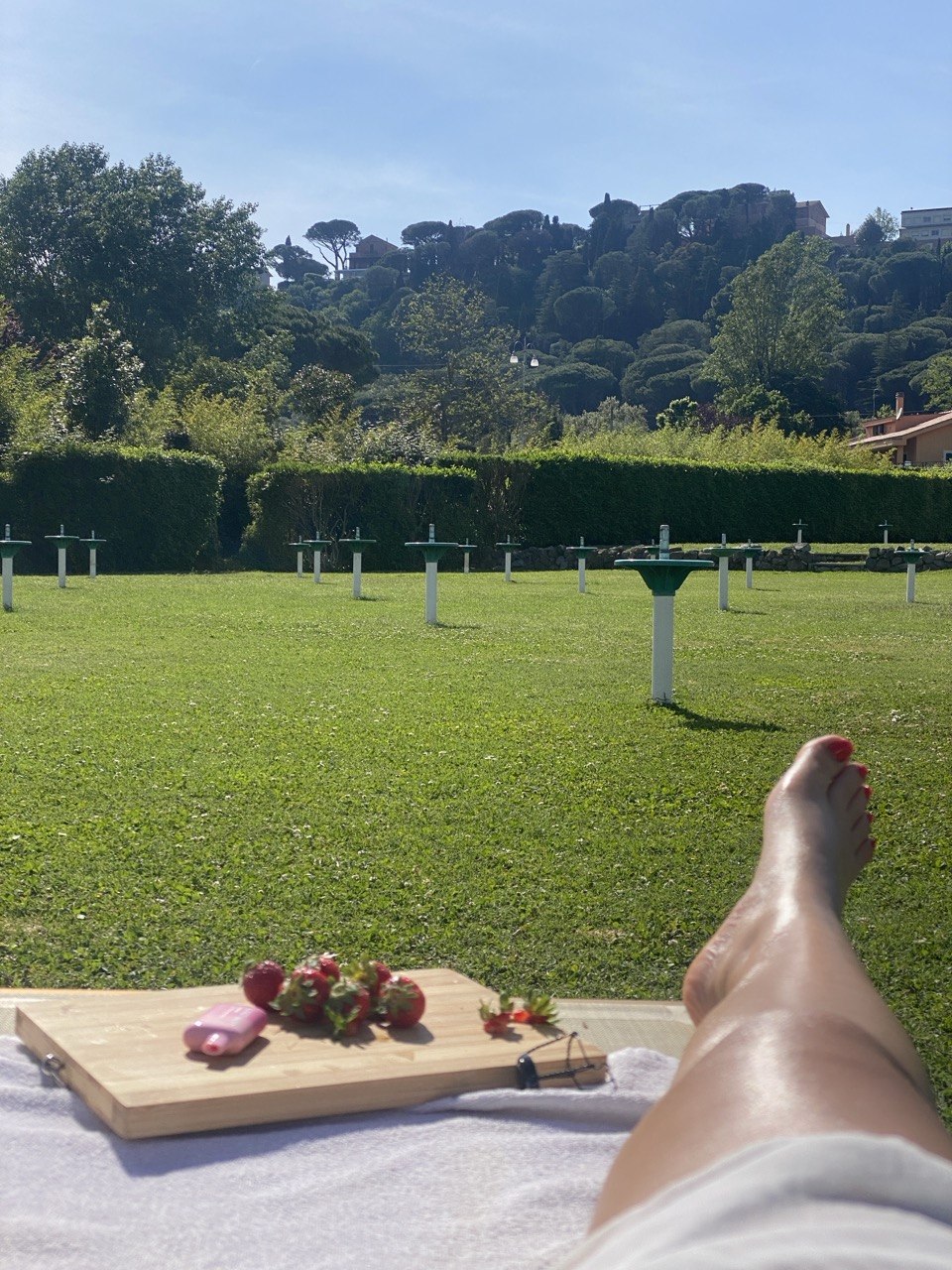
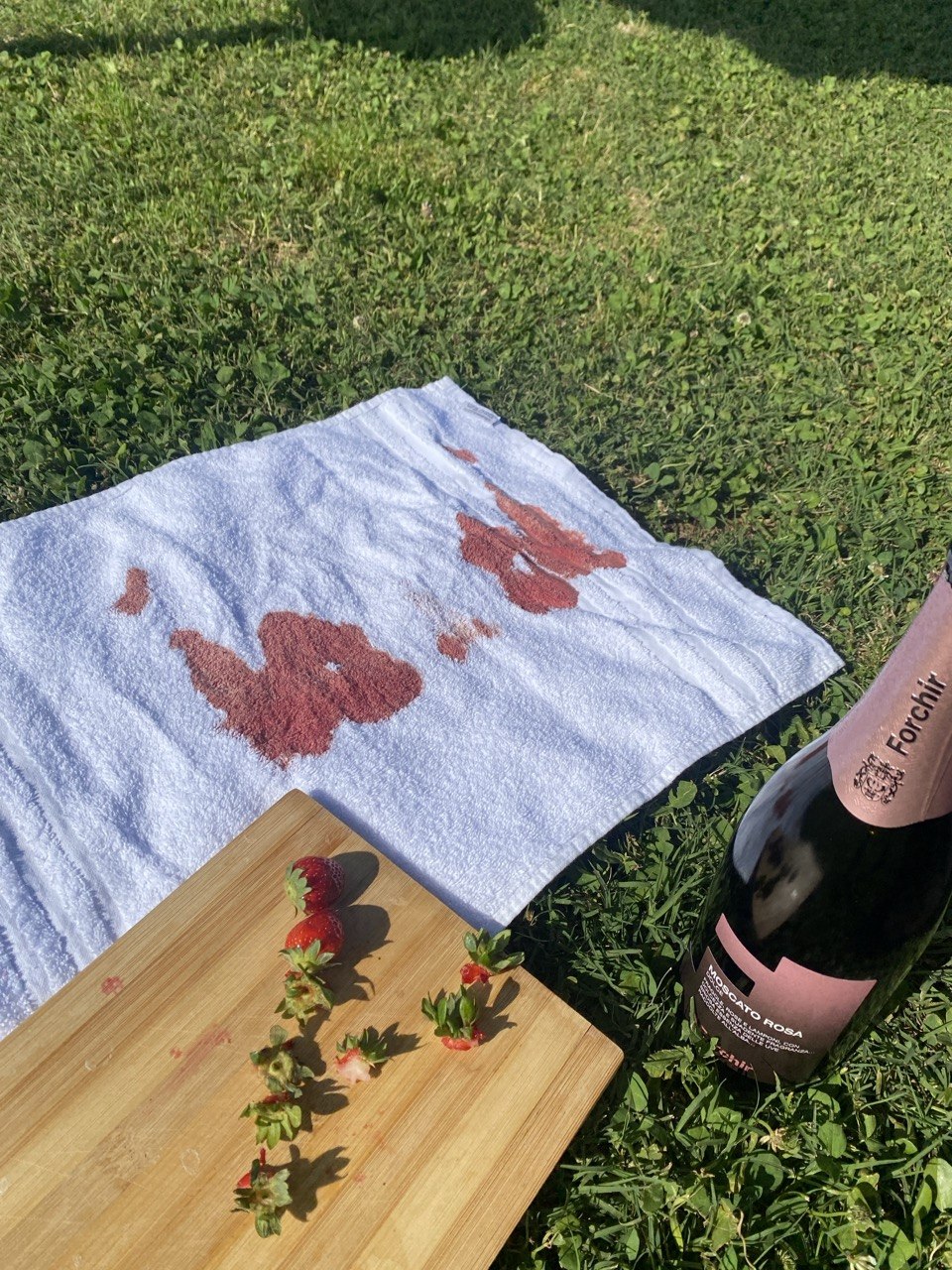
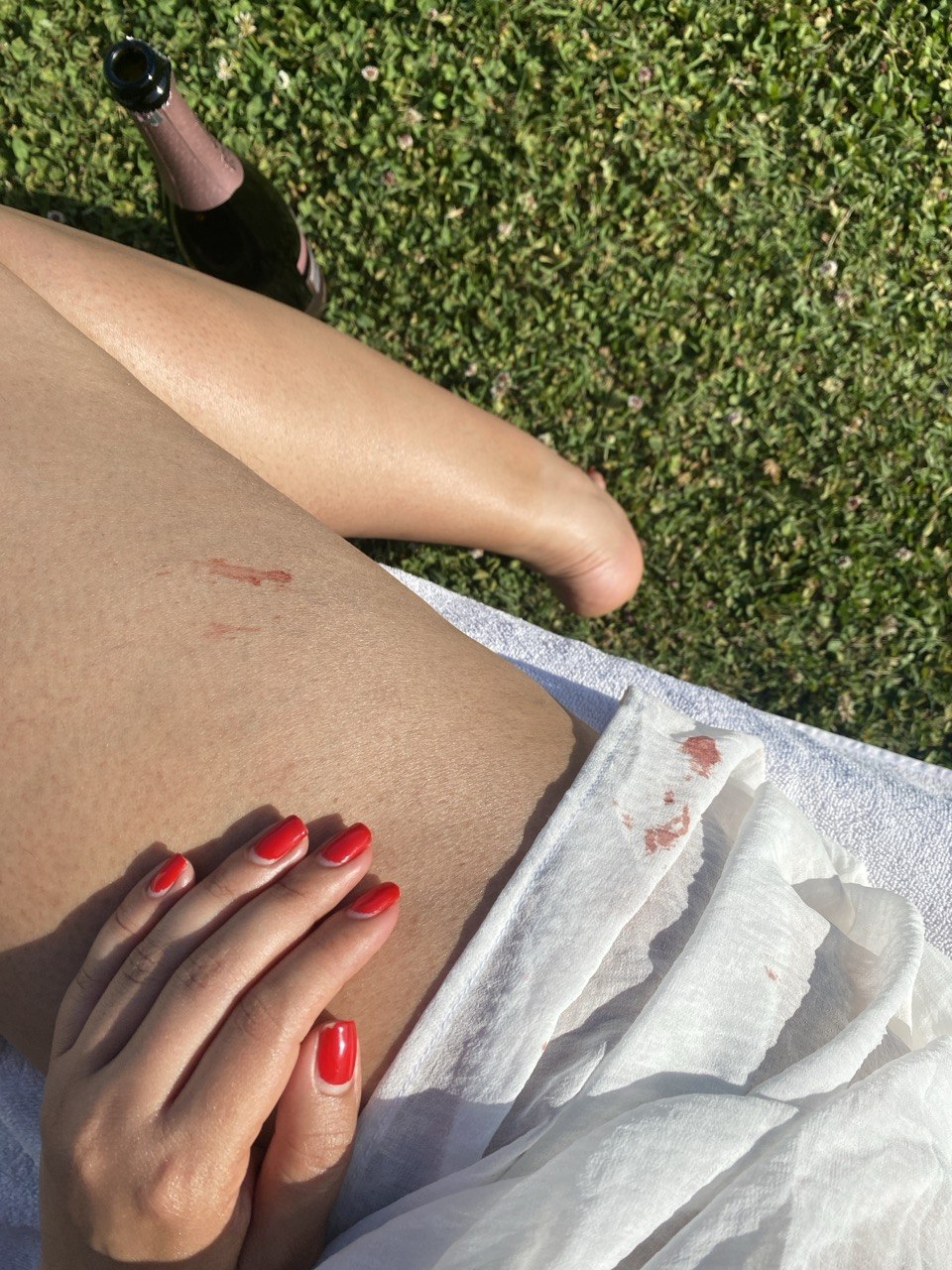
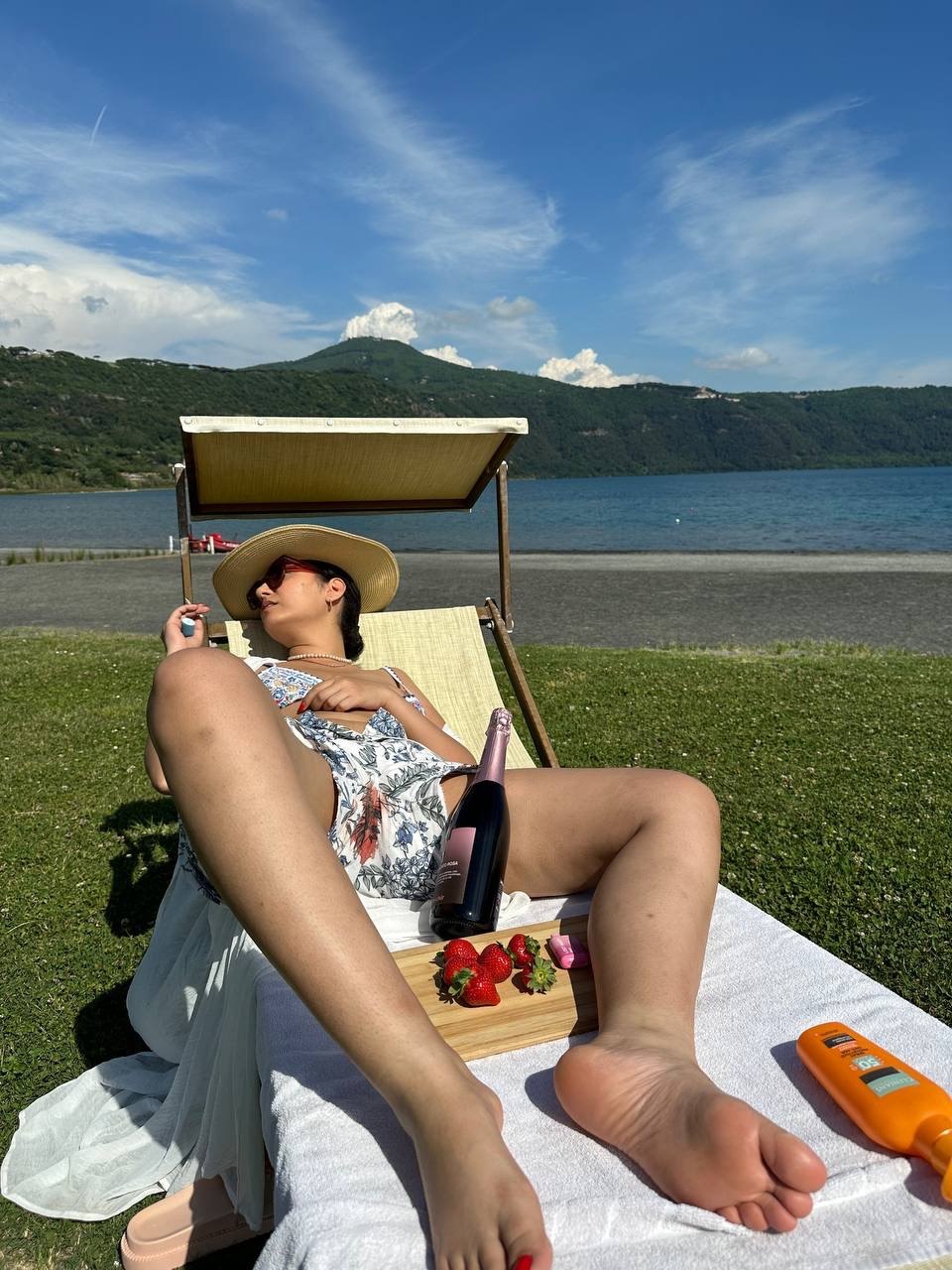
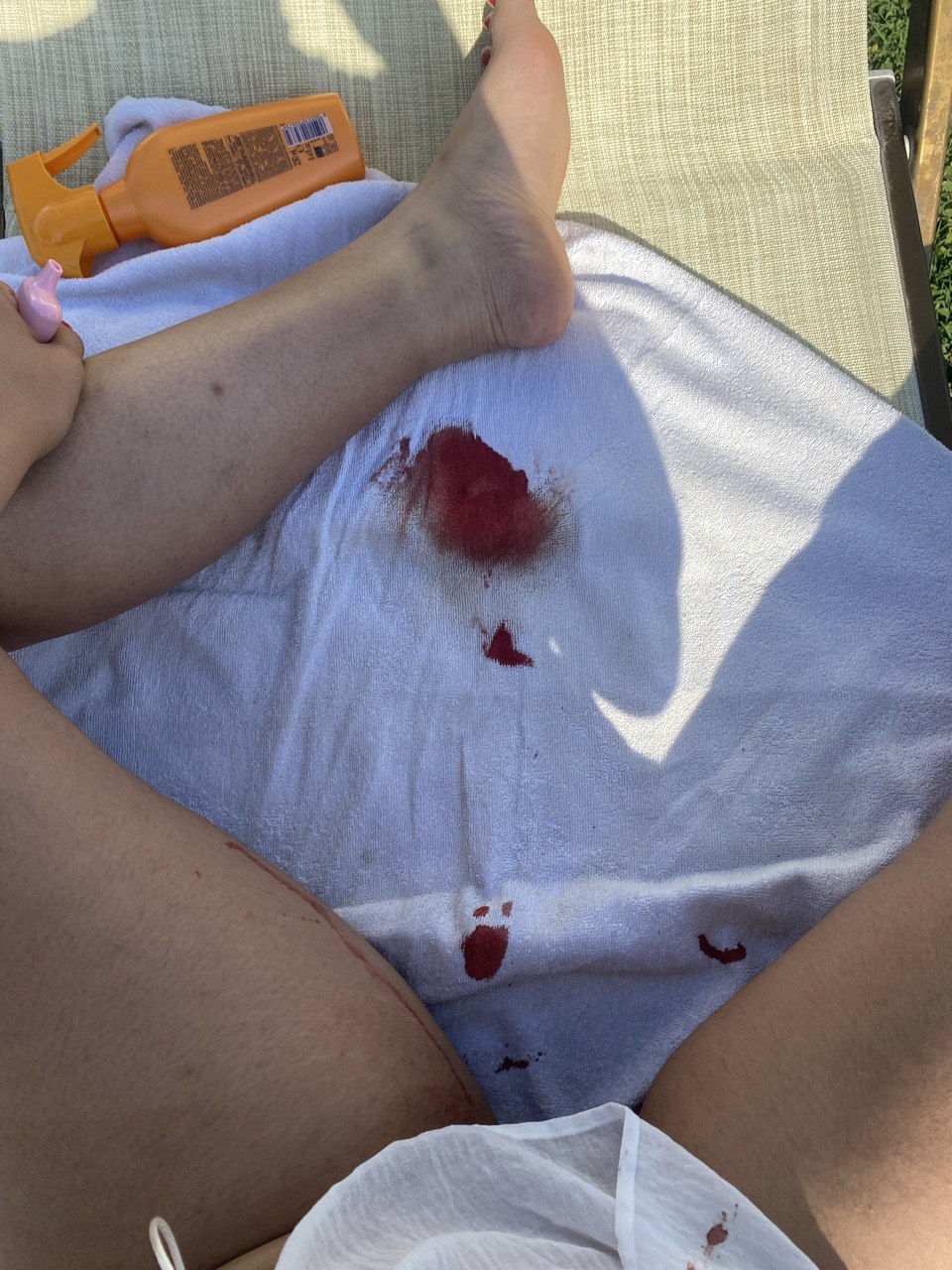
A photographic series investigating visibility, bodily autonomy, and the performance of femininity. By placing menstrual bleeding within scenes of pleasure and rest, the work challenges cultural expectations that separate beauty from bodily reality. The images explore how acts of concealment shape perceptions of the feminine body and ask what becomes possible when experiences traditionally kept invisible are allowed to occupy public space.
Rather than presenting menstruation as an interruption of pleasure, the series insists on their coexistence. Blood is neither concealed nor dramatized; it remains present within moments of intimacy, leisure, and stillness. Through this quiet tension, the work examines the expectations placed upon feminine bodies to appear composed, desirable, and detached from their biological realities, inviting viewers to reconsider the relationship between visibility, vulnerability, and agency.
Body as archive
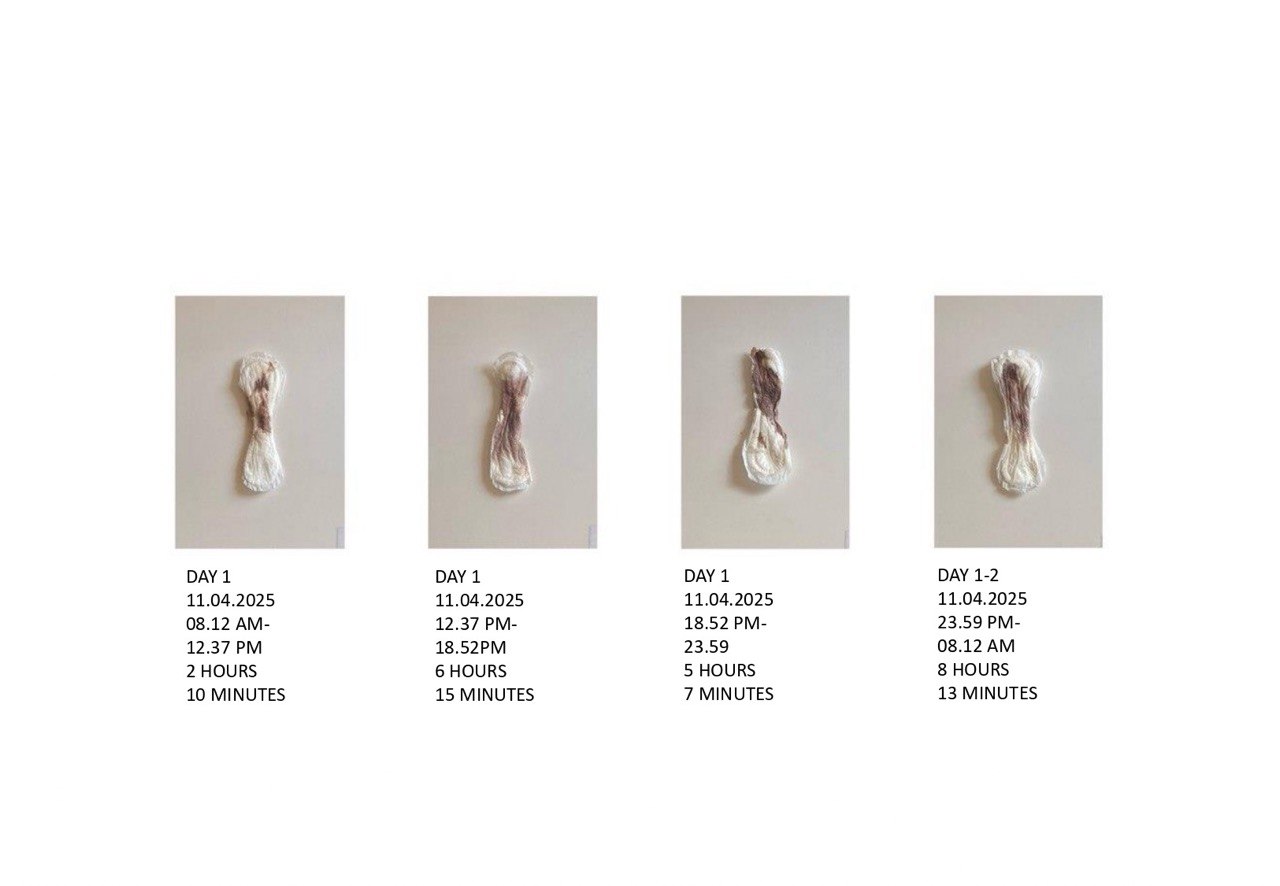
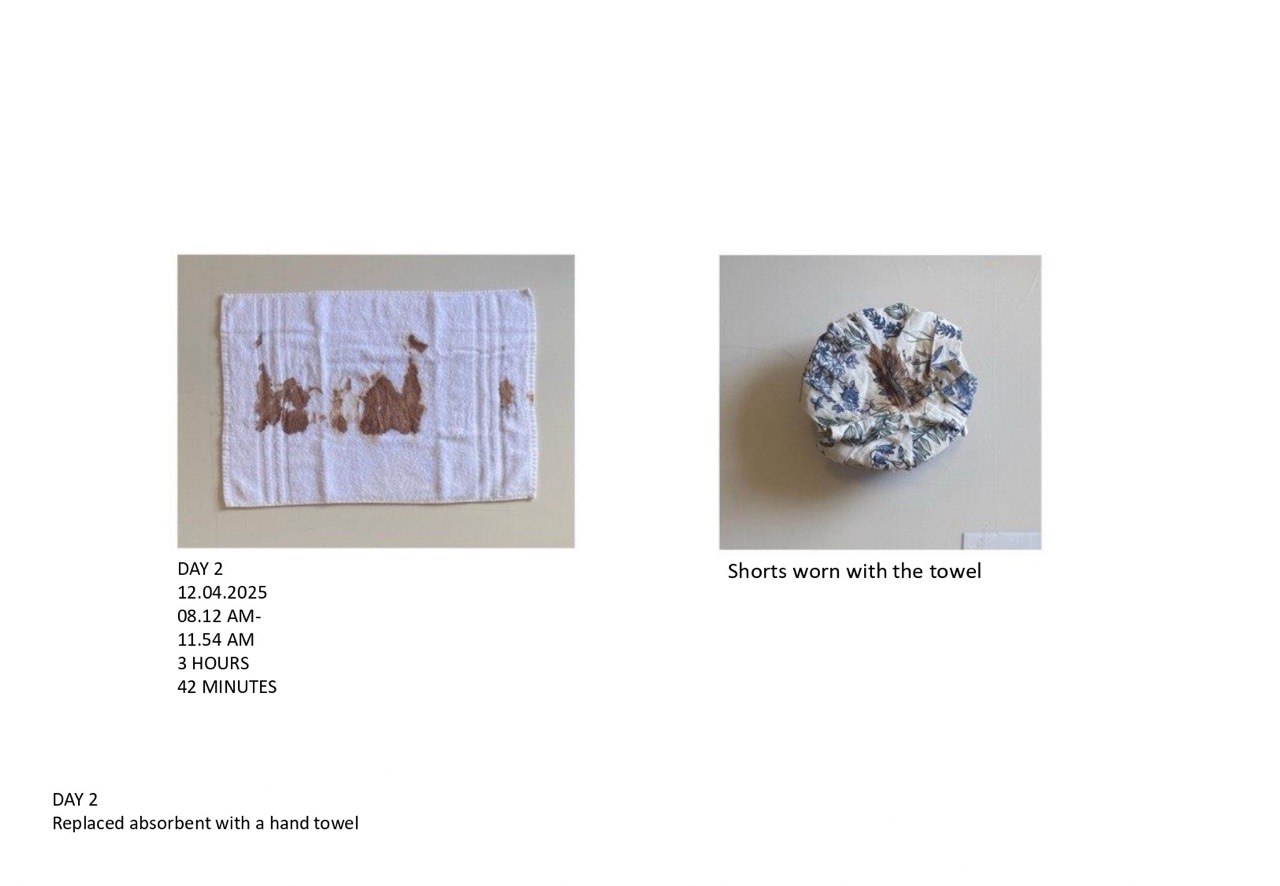
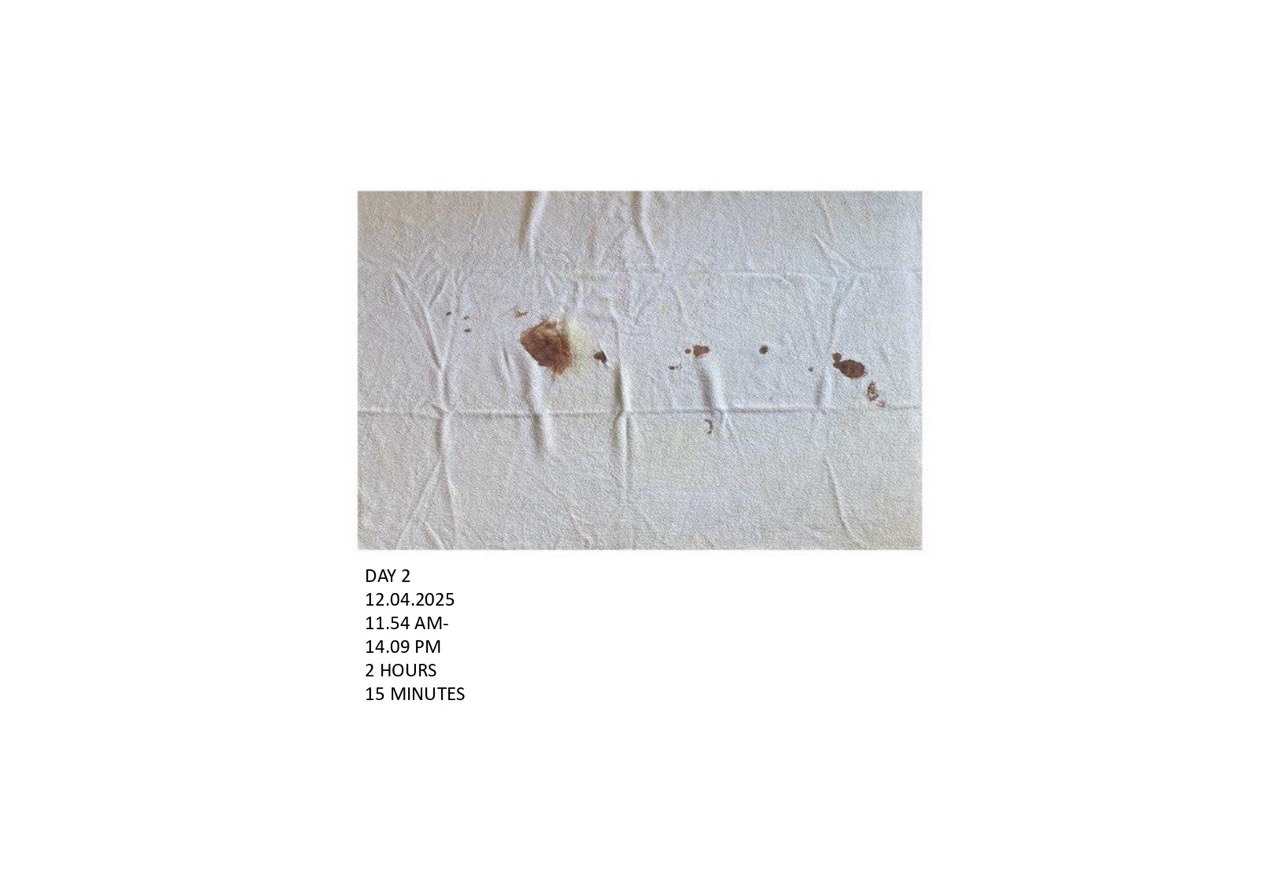
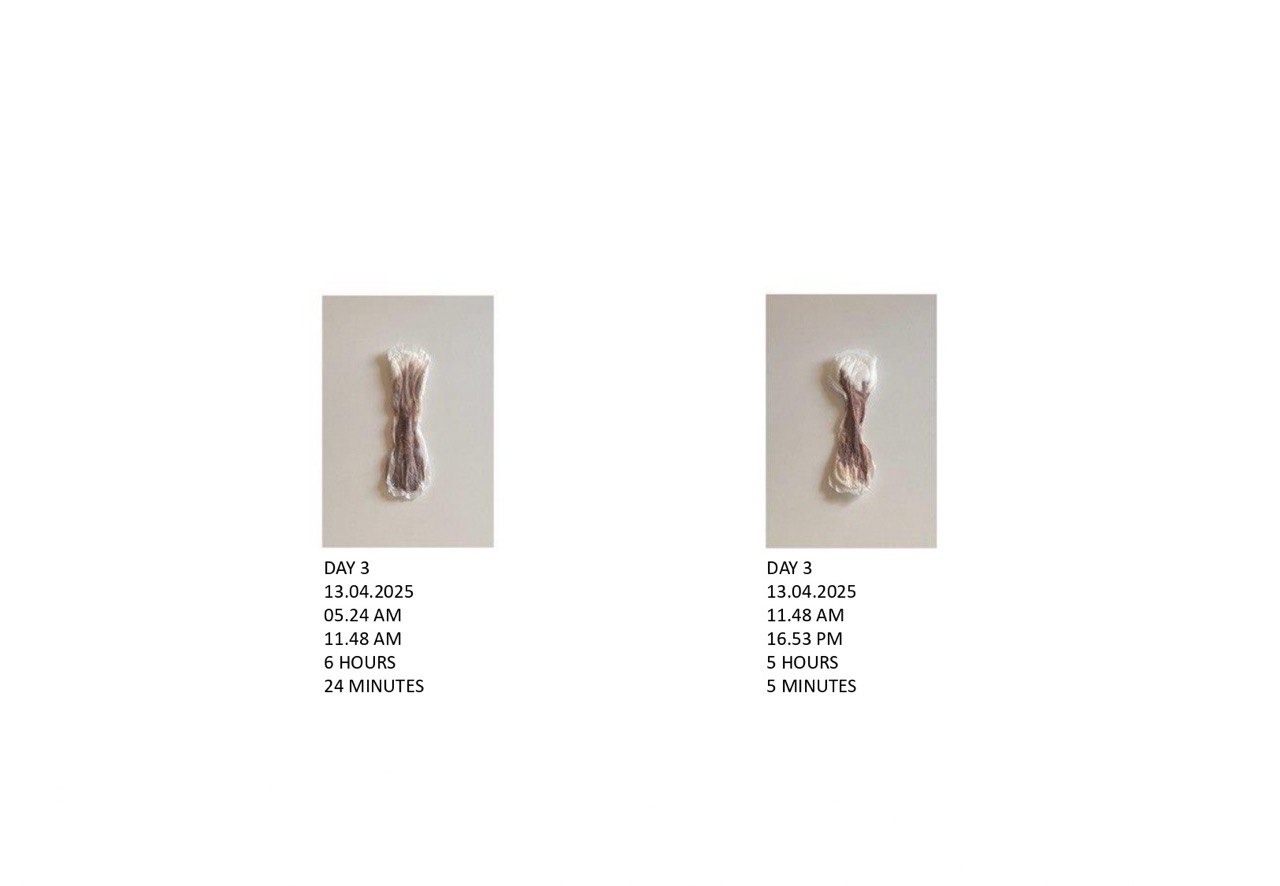
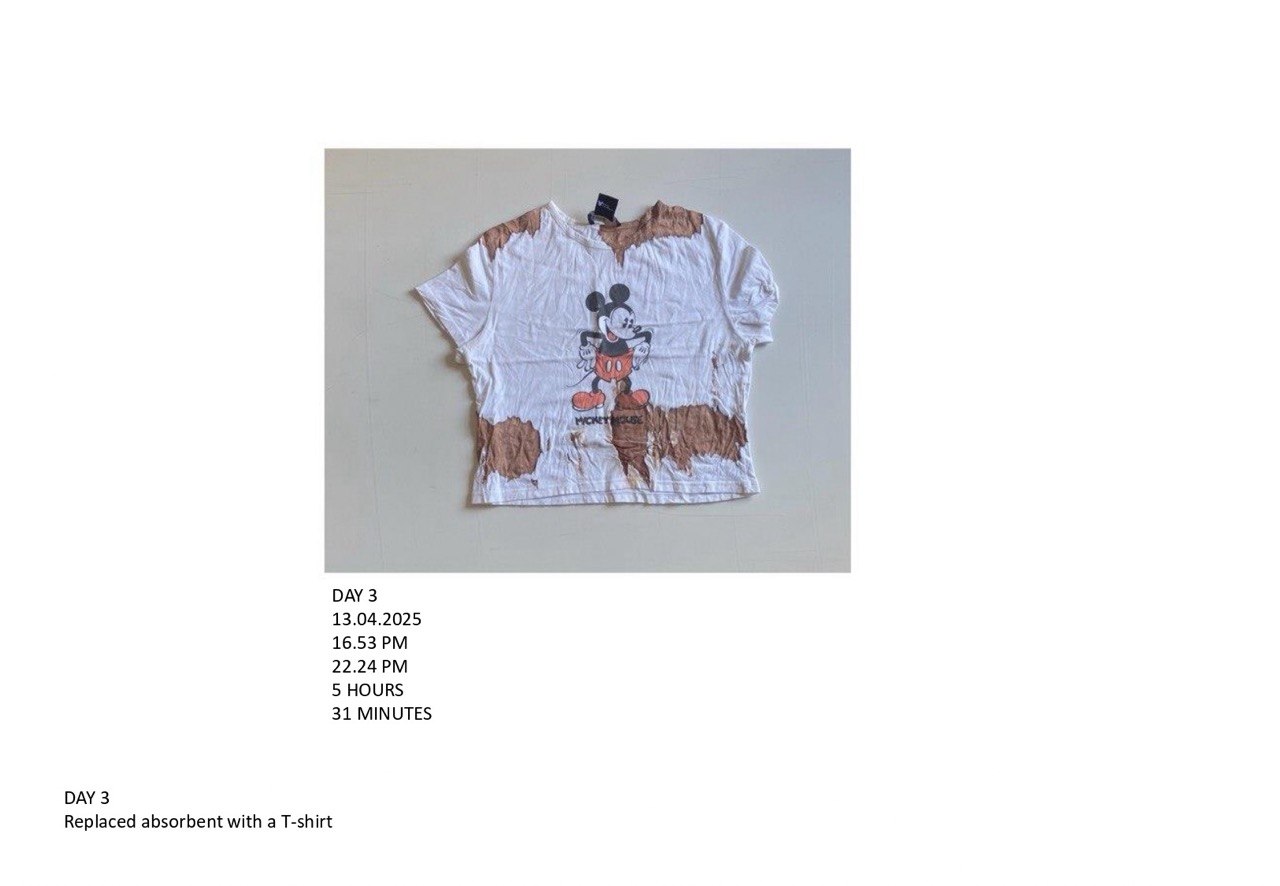
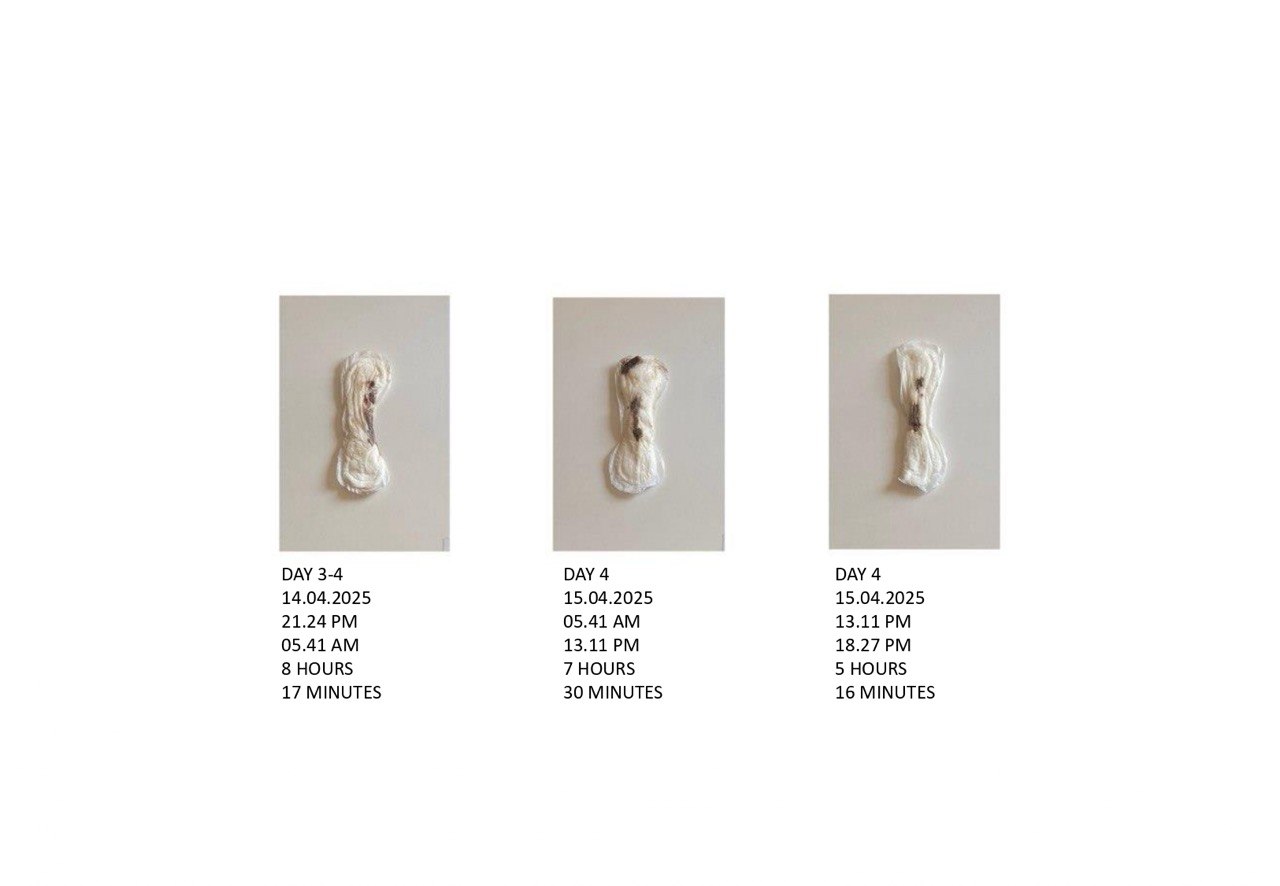
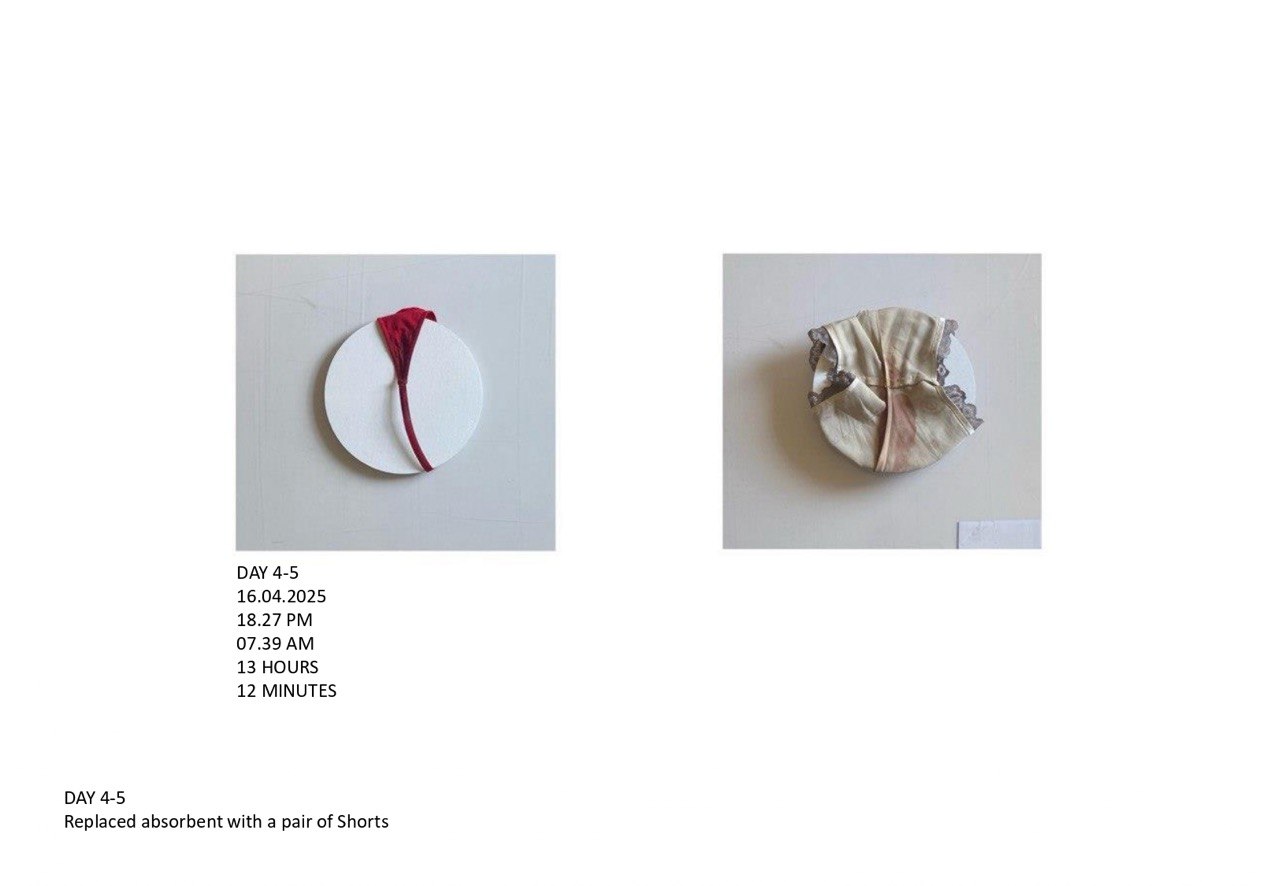
The Body as Archive explores the body as a living archive by documenting menstrual traces as physical records of a biological cycle. Through the collection and preservation of materials that are traditionally considered disposable, the work transforms overlooked bodily residues into evidence of time, transformation, and embodied experience.
The project approaches menstruation not as a private event to be concealed or erased, but as a process that leaves behind material traces capable of holding memory. Pads, fabrics, and absorbent materials become carriers of bodily history, recording variations, rhythms, discomfort, and the passage of time. Rather than functioning as waste, these objects are recontextualized as archival fragments—objects that preserve an intimate relationship between the body, material, and lived experience.
By shifting these traces from the private sphere into the space of art, The Body as Archive questions cultural expectations surrounding visibility, cleanliness, and the disappearance of the feminine body. The work challenges the idea that certain bodily experiences should remain unseen, proposing instead that what is often discarded can become a form of testimony and a record of existence.
Material Storytelling
Moving beyond the body as an archive, the project explores how materials can translate invisible experiences into tangible forms. Through the transformation of ordinary objects, materials become storytellers — carrying traces of memory, time, and embodied narratives beyond their original function.